

The science of platelet-derived growth factors
Platelet-derived growth factor (PDGF) is a family of potent signaling proteins naturally produced by your body’s platelets, macrophages, and endothelial cells.
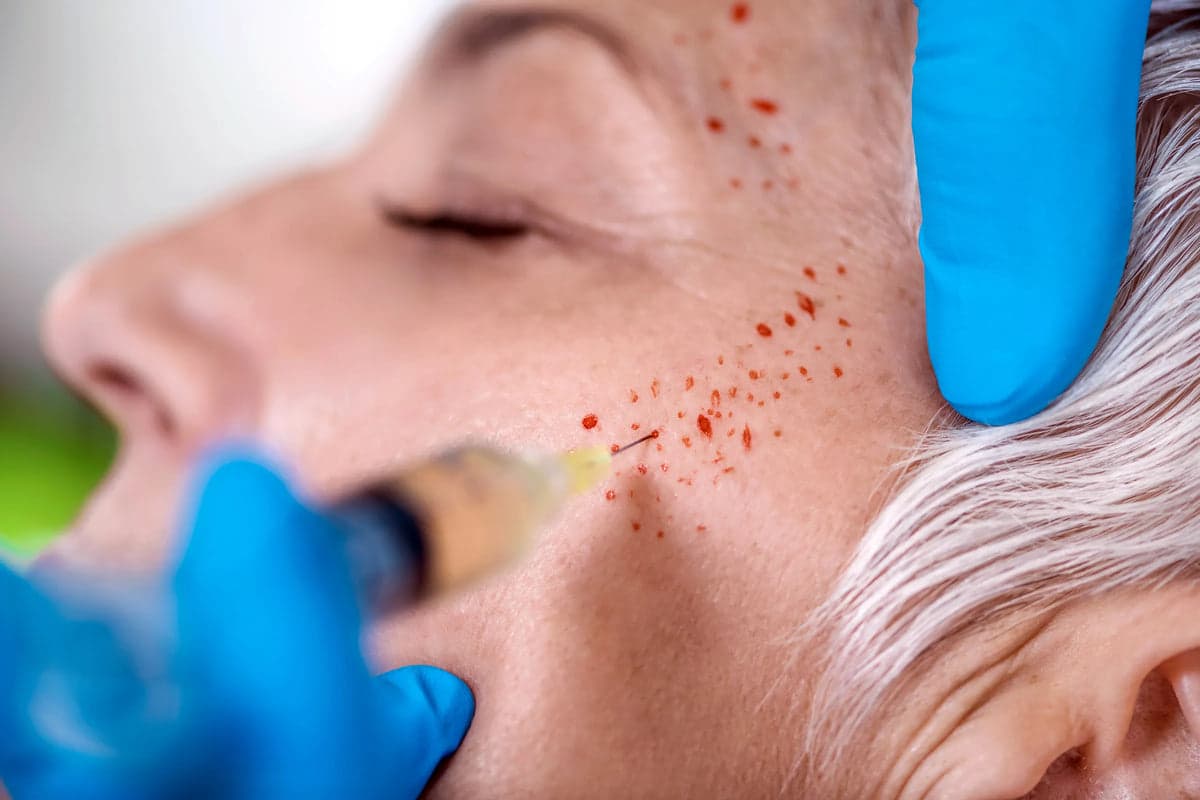
These growth factors play a critical role in the wound healing cascade, acting as chemical messengers that recruit reparative cells to sites of tissue damage, stimulate the proliferation of fibroblasts and smooth muscle cells, and promote angiogenesis, the formation of new blood vessels that deliver oxygen and nutrients to healing tissue. In PDGF therapy, these powerful biological mediators are concentrated and delivered precisely where regenerative activity is needed most.
What distinguishes PDGF therapy from conventional platelet-rich plasma (PRP) is the level of specificity and concentration. While PRP contains a broad mixture of platelets, white blood cells, and various growth factors in varying proportions, PDGF therapy focuses on isolating and concentrating the specific growth factor families most relevant to tissue regeneration, including PDGF-AA, PDGF-BB, transforming growth factor beta (TGF-B), vascular endothelial growth factor (VEGF), and epidermal growth factor (EGF). This refined concentration produces a more targeted regenerative stimulus compared to the generalized growth factor mixture found in standard PRP preparations.